
Great to hear the discussion in Philadelphia. Safe travels and successful journey to EMPOWER.
ACLU re: FOSTA & SESTA
The U.S. Senate is poised to pass legislation that is intended to stop the internet from being used for sex trafficking — a worthy goal aimed at addressing a serious problem. However, the legislation known as the Fight Online Sex Trafficking Act, or FOSTA, could harm the very people that it is intended to protect. FOSTA threatens the lives and safety of sex workers — people who are disproportionately LGBTQ and people of color. The legislation does this through a dangerously broad definition of “promotion of prostitution,” which is not limited to trafficking and could sweep in any trading of sex for money or other goods
Why Sex Workers are Fighting the Anti-Sex Trafficking Bill
Guest post by collaborators: M. Dante, Lola Li, and Heather Berg. On March 12th, the Senate votes on SESTA, the Stop Enabling Sex Trafficking Act. SESTA would criminalize the online advertising, information sharing, and support networks that sex workers use to do their jobs safely. Readers can support the #LetUsSurvive campaign by calling their Senators. WE ARE: #SurvivorsAgainstSESTA
3/12 EMPOWER Collective Visiting Philadelphia
3/12/2018: EMPOWER Thailand in Philly: MORNING - U Penn event Mon March 12 from 8-9am sponsored by the Nursing school, with co-sponsorship from School of Social Policy and Practice thanks to Dorothy Roberts and TJ Ghose. EVENING - Crossroads Women's Center Mon March 12 at 6pm
Stop SESTA/FOSTA
Hybrid FOSTA/SESTA Hinders Law Enforcement, Hurts Victims and Speakers | Center for Democracy & Technology
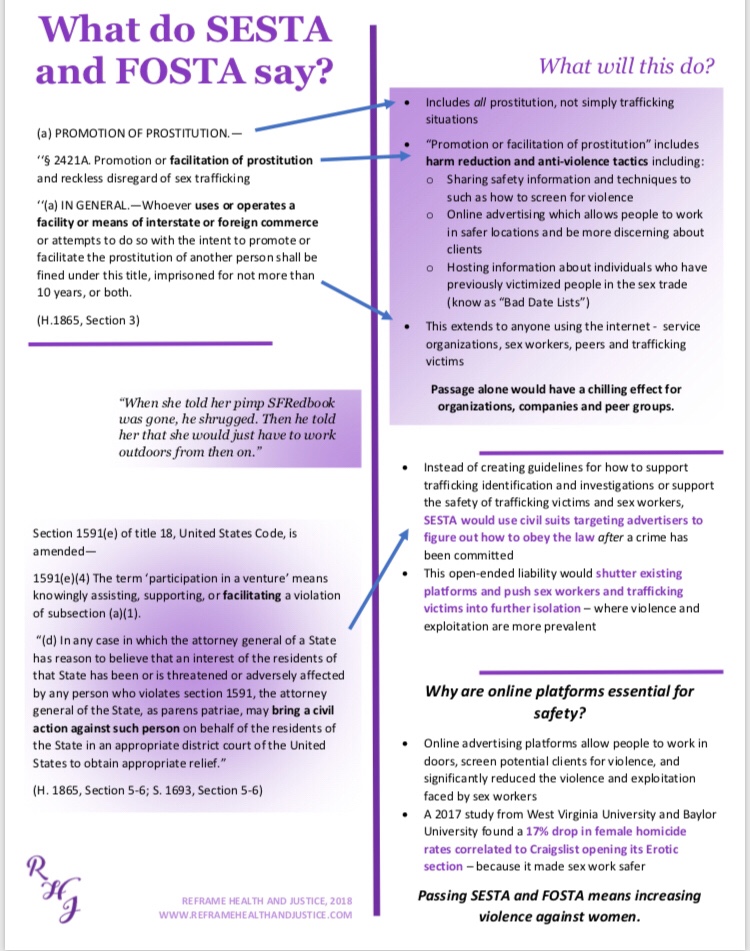
Understanding SESTA & FOSTA
Understanding FOSTA & SESTA. PDF (c) Reframe Health & Justice RHJ 2018 The Allow States and Victims to Fight Online Sex Trafficking Act (FOSTA, H.R. 1865) might sound noble, but it would do nothing to stop sex traffickers. What it would do is force online platforms to police their users’ speech more forcefully than ever before, silencing legitimate voices in the process. - EFF
ESP LERP v. Gascon (9th Cir. – Jan. 17, 2018) California Appellate
Re/Post of Professor Shaun Martin at the University of San Diego School of Law, and his thoughts on recent Ninth Circuit and California appellate case ESPLERP v Gascon.
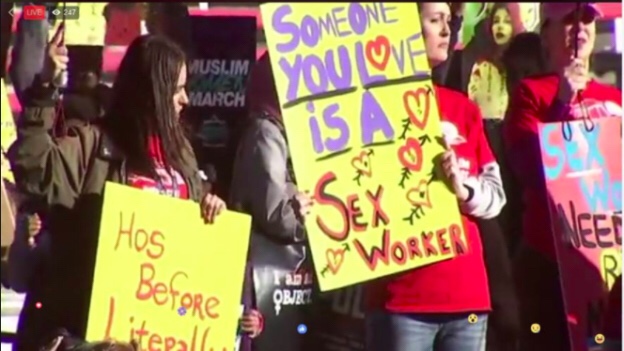
2018 Las Vegas Women’s March Includes Sex Workers
Thanks to Cris Sardina from Desiree Alliance for speaking for ALL sex workers at the National Women's March in Las Vegas: “This is my truth as I live it. I no longer give anyone permission to see me as less than. Don’t dismiss my womanhood. I am a sex worker. I am allowed to be here.”

Human Trafficking Report: 700 Illicit Massage Parlors Operate in Our Area | NBC 10 Philadelphia
Police say approximately 100 illicit massage businesses operate throughout Philadelphia. “I’ve been a cop for 30 years and I had no clue,” said Philadelphia Police Lieutenant Gary Ferguson. “No idea that human trafficking and prostitution was this big a problem in Philadelphia.”
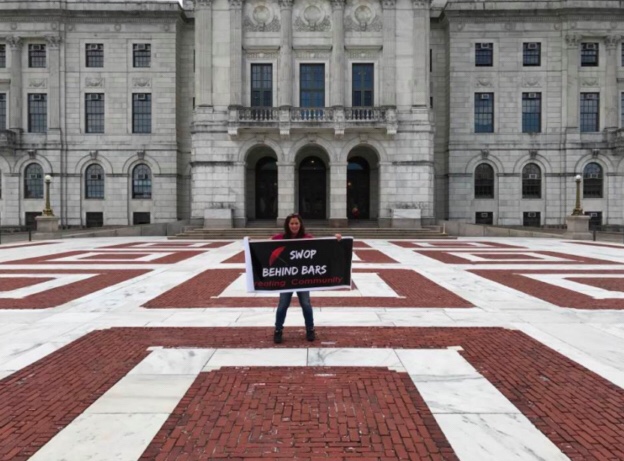
2018 Women’s March Rhode Island Includes Sex Workers
2018Women March Rhode Island Includes Sex Workers. COYOTE had a 60 people sign up for our email list, and over 100 people stopped at our table. Bella shared that, "We had strippers from Westerly, and we had students from 3 universities and several communities members asking how they can volunteer with Coyote RI. Most importantly we got to educate our community and explain how Uncle Sam is the biggest pimp in the USA."

The International Union of Sex Workers’ statement on the Centre For Women’s Justice challenge to convictions for street sex work
We seek to remove the barriers to leaving the sex industry imposed by criminal law. Women selling sex onstreet may be arrested for loitering or soliciting[iii]; indoors, any way of working with or for another person creates a risk of prosecution[iv]. Clients are entirely criminalised onstreet and extensively indoors[v]. This means that almost anyone who encounters victims of trafficking in the sex industry has reason to fear arrest if they contact the authorities to report concerns. This complex and confusing mess of legislation endangers everyone in the sex industry. Only complete decriminalisation offers the wholesale reform necessary to create a legal framework that offers us the same human rights accorded to others.[vi]
Re/Visiting The Invisible John Interview About Jane
The Invisible John Interview About Jane ORIGINAL POST ON SWOP PHL SEPTEMBER 30, 2015 Journalists ask the darndest questions then don’t publish the answers sex workers give them or purposely don’t share all viewpoints if the views don’t fit in with the desired angle of an expose. So – we’ve decided to publish an unpublished and unquoted requested dialog by a journalist who interviewed SWOP Philly’s M. Dante.
Prostitution & The Larksville Pennsylvania Police
Why should Larksville PA cops bother with investigations and due process when they can rely on anonymous tips and social shaming?
 Worker Survivor Community Archive
You must be logged in to post a comment.