
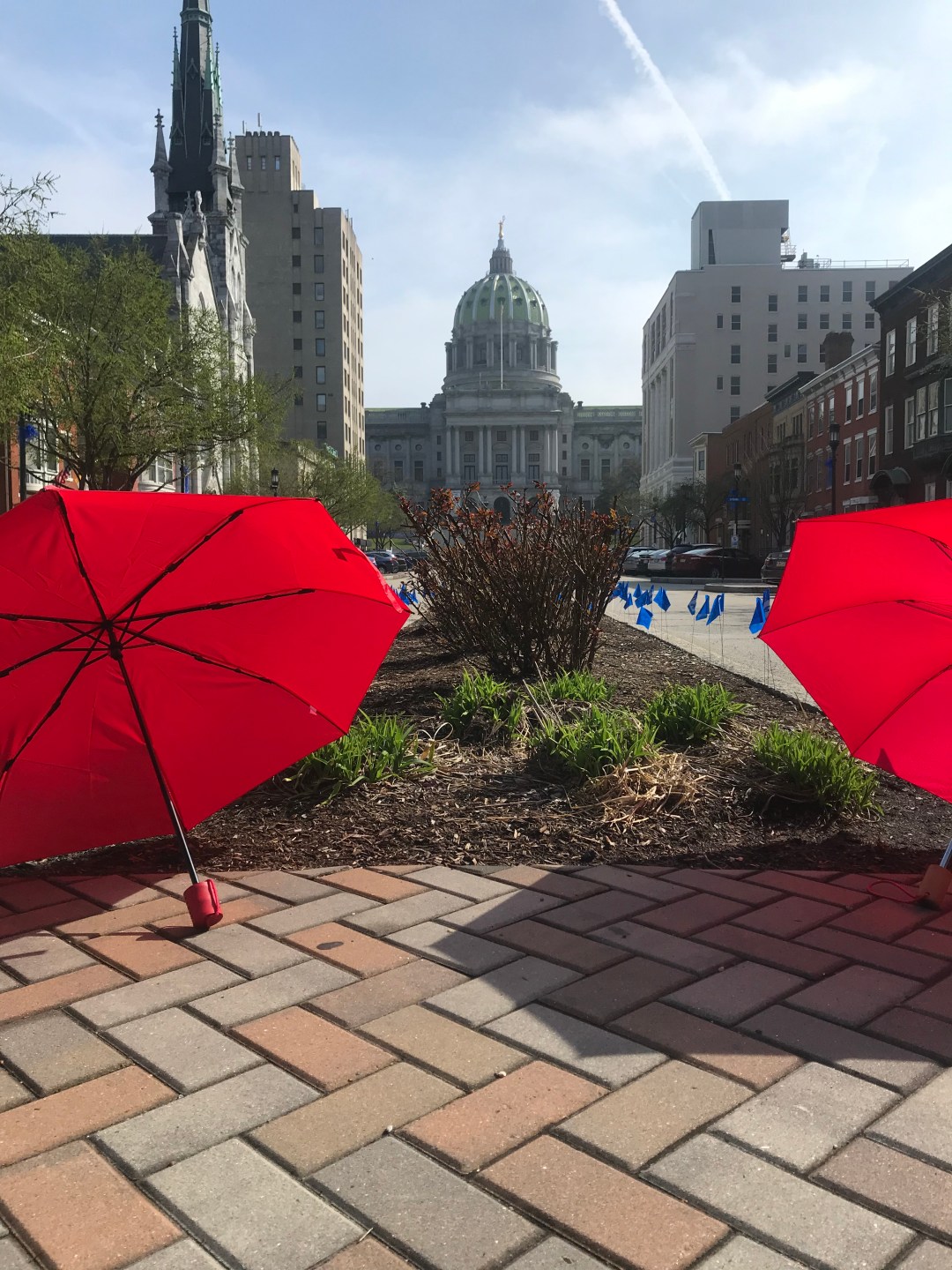
Wonder why many women choose prostitution?

Support: The ESPLER Project CALI
ESPLERP Update for April 2019
Support: FL HB 703 SB 926
SWOP Behind Bars supports Florida House Bill 703 (HB 703) and its counterpart Senate Bill 926 (SB 926) which would greatly expand health education in public schools and repeal the abstinence-only mandate. We also advocate for amending these bills to include human trafficking education instead of passing HB 259/SB 982.

Support: A Grand Jury Indictment Of Andrew Mitchell
This blog supports a grand jury investigation and indictment of Andrew Mitchell. #justicefordonna

2019-2020 PA SB 60 / HB 12
2019-2020 PA SB 60 / HB 12
10 Reasons To Decriminalize
10 Reasons To Decriminalize
Oppose Language Defining FL SB 540 HB 851
Re: Florida SB 540 dated 3/5/2019; Florida HB 851
Spring Sale on South Street
Spring Sale at: PASSIONAL Boutique KDM Enterprises HQ 317 South St. Philadelphia, PA 19147
Thank You Keystone Conference
The workshop had 29 attendees participating in discussion and activities with a focus on healing. The core message clear on the benefits of releasing ones self from shame and blame to be able to give and receive love.
Oppose: FL SB 540
WE NEED YOU! Help us oppose this bill by calling or emailing each Florida Senator telling them you oppose the idea of a prostitution registry. Registries are harmful and do nothing to protect sex trafficking victims! Contact List of Florida Senators At Post Close: Here is more information about SWOP Behind Bars work on Florida … Continue reading Oppose: FL SB 540
Support CA SB233
CA SB 233 would allow those in the sex trade to report violence against them such as trafficking, rape, kidnapping and more with out fear of being criminalized for misdemeanor prostitution charges. CA SB 233 would also disallow the use of condoms as evidence in the arrests of sex workers. Link in post!
Support: PA Dems Desire To See Sen Leach Resign
HARRISBURG -- The Montgomery County Democratic Committee has called on State Sen. Daylin Leach to resign, saying his behavior since sexual-harassment and assault allegations against him surfaced had “created a divisiveness that threatens party harmony and undermines our cause at a time when we need to be united.” by Chris Brennan and Angela Couloumbis, Updated: March 16, 2019
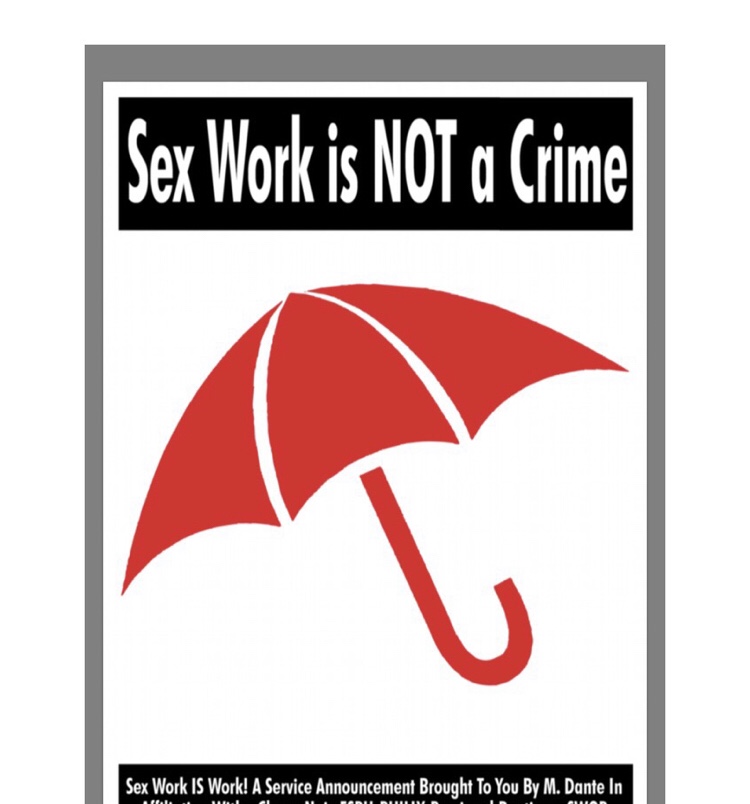
Support: California SB233
CALL TO ACTION - SB233 - Allow Trafficking Victims and Sex Workers to Report Violence Without Fear of Arrest. This important bill sponsored by SWOP Sacramento, SWOP USA, SWOP LA, St James Infirmary, ESLERP, USPROS, and supported by the ACLU, San Francisco DA, SF County Superviors, and the Gender Health Center. which would prohibit the arrest of individuals engaged in sex work when they come forward as a witness or a victim of specified violent and serious crimes. It will also end the practice of using condoms as evidence of sex work related offenses. Individuals in the sex trade experience and witness extremely high rates of violence but are often reluctant to report crimes for fear of being arrested.


You must be logged in to post a comment.