The HIV Criminalization Sourcebook includes the text, related case law, and analysis of statutory provisions that: 1. criminalize non-disclosure of HIV status or exposure of a third party to HIV; 2. make exceptions to confidentiality and privacy rights of PLHIV; 3. provide for sentence enhancements for PLHIV convicted of underlying crimes such as prostitution and solicitation; and 4. require sex offender registration for PLHIV.
Sexual Health Care for Youth in State Custody
The Center for HIV Law and Policy, Equality Federation, and Heat: Health Education Alternatives for Teens, invite you to join us for a day organizing to develop an advocacy strategy for policy change on comprehensive sexual health care for LGBTQ youth in state custody.

Blood Money: COYOTE on S/W Diversion Grants
COYOTEri Mission: We oppose Law Enforcement Assisted Diversion. Decriminalization is empowering whereas LEAD places people in a cycle of punitive and social services. While we support DECRIM, we vehemently oppose all forms of human trafficking and child prostitution. The victims of these crimes deserve our compassion and support; those who exploit others in such a manner deserve severe punishment. Our goal is to reduce harm by education and decriminalizing indoor consensual sex work between consenting adults.

UUPLAN: Victims of Human Trafficking are not Criminals
UUPLAN's Anti-Mass Incarceration Team has agreed to support SB 554 - Safe Harbor in Human Trafficking. This bill would send minors who are victims of sex trafficking to treatment rather than prosecuting them. The bill was introduced by Senator Greenleaf and has passed the Senate (50-0). It has been referred to House Judiciary Committee which has not yet scheduled a hearing.
E v G 9 Covered On Fox News
The legal challenge was brought by three ex-prostitutes, a would-be client, and ESPLER (Erotic Service Providers Legal, Educational and Research Project). They received good news Thursday after the 9th Circuit judges hinted that some scrutiny of the law was needed. “Why should it be illegal to sell something that it’s legal to give away?” asked, as the Chronicle reported. U.S. District Judge Jeffrey White rejected the challenge last year, saying the 2003 Supreme Court ruling was concerning intimate personal relationship and did not apply to commercial sex, adding that California justified the law against prostitution as a deterrence to violence against women, sexually transmitted diseases and human trafficking, according to the Chronicle.
SWEAT Africa
SWEAT launches #Say Her Name campaign. Go to sweat.org.za/say-her-name/ to see the tributes to these brave women.

Philly-area woman rescued by FBI sex-trafficking sweep
Five alleged Pennsylvania sex traffickers and four alleged pimps were arrested last week as part of the FBI's Operation Cross Country XI, an annual law enforcement effort.
M Dante: I Support ESPLERP v Gascon
M. Dante explains why she supports ESPLERP v Gascon.
E v G In The 9th Circuit
After nearly 30 months working through the US Federal Court system, we finally get to stand up before a panel of judges and argue that California Penal Code 647(b) unfairly deprives consenting adults of the right to private activity, criminalizes the discussion of such activity, and unconstitutionally places prohibitions on our rights to freely associate.
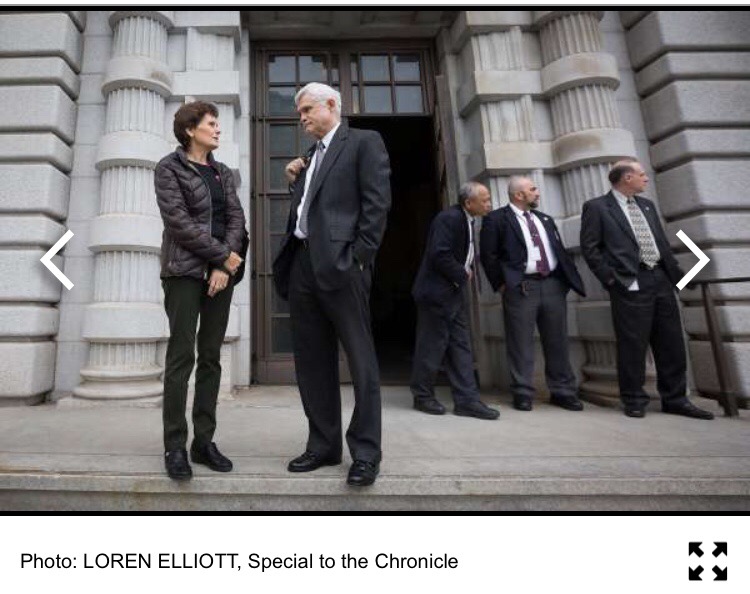
Spotlight Of Success: USPROS Rachel West
ESPU thanks you Rachel for all you do!
Louis Sirkin, Preeminent First Amendment Lawyer, Will Argue Ninth Circuit Appeal Supporting Sexual Privacy, Against Criminalization Of Sex Work
Louis Sirkin, Preeminent First Amendment Lawyer, Will Argue Ninth Circuit Appeal Supporting Sexual Privacy, Against Criminalization Of Sex Work Sex Worker Activist’s Groundbreaking Court Case Scheduled For Oral Arguments In Ninth Circuit Of Appeal on October 19th
Protecting People From Police
The two candidates for Philadelphia district attorney both say they would prosecute police for on-duty shootings if the evidence pointed to criminal conduct. That would represent a departure from usual practice: The last time a Philadelphia officer was criminally charged for an on-duty shooting was 18 years ago. In the decade from 2006 until early last … Continue reading Protecting People From Police
 Worker Survivor Community Archive
You must be logged in to post a comment.